
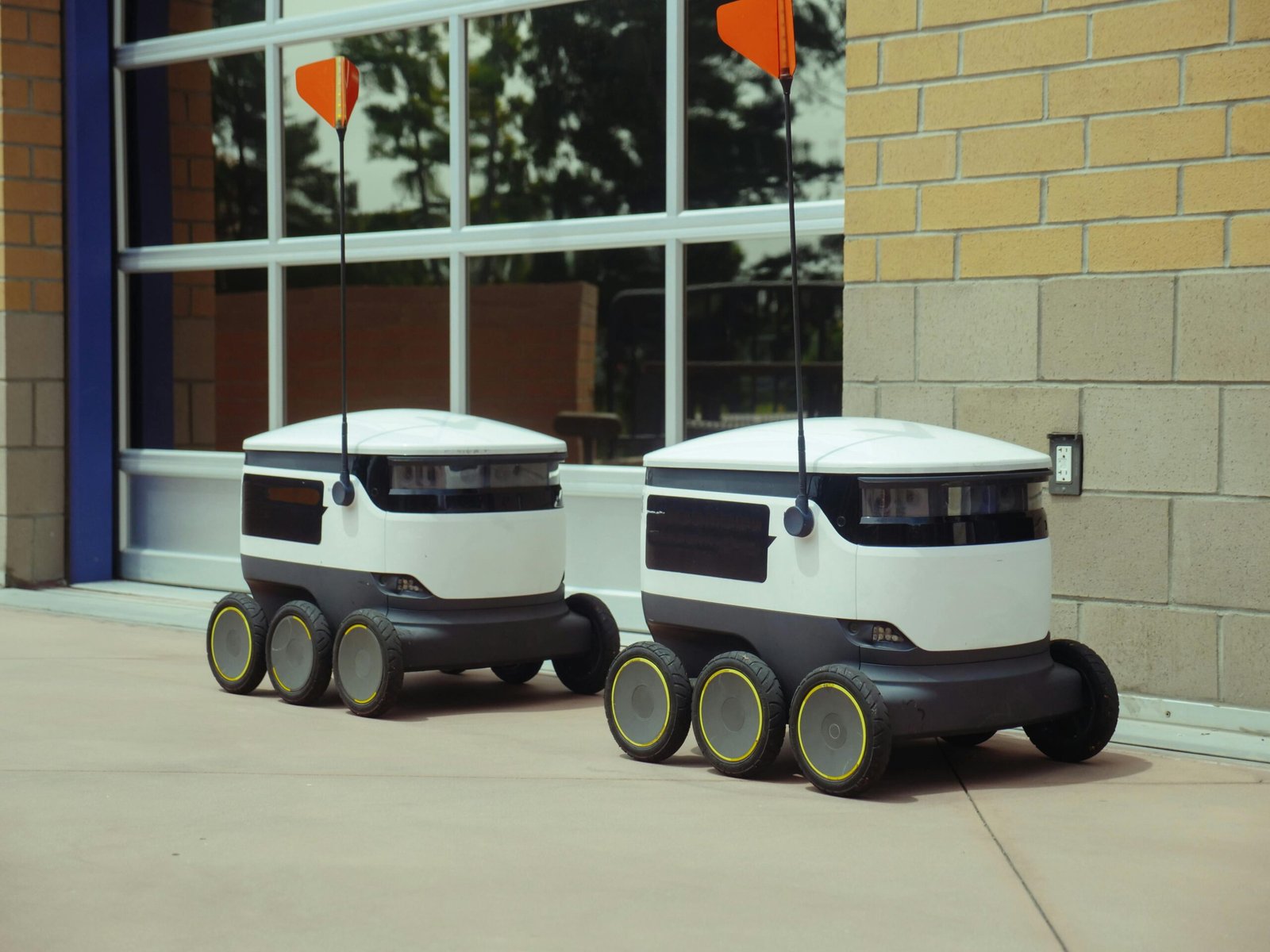
Axurbain represents a forward-thinking concept in the evolving landscape of modern cities, combining urban innovation, smart infrastructure, sustainable development, and digital transformation into one cohesive vision. As cities grow more complex and populations expand, the need for intelligent urban planning and integrated technological ecosystems becomes increasingly urgent. Axurbain is not merely a trend but a strategic framework that redefines how cities operate, connect, and sustain themselves in the long term. In this comprehensive guide, we explore the meaning of Axurbain, its core principles, technological foundations, sustainability objectives, economic impact, and future potential. By examining Axurbain in depth, we provide a structured and authoritative perspective that delivers clarity for urban planners, investors, policymakers, developers, and innovation leaders seeking a competitive edge in the smart city era.
What Is Axurbain?
Axurbain can be defined as a comprehensive urban development framework that integrates advanced technology, environmental responsibility, and efficient governance into the physical and digital fabric of cities. It merges the principles of smart city infrastructure, sustainable architecture, digital connectivity, renewable energy systems, and intelligent mobility networks to create adaptive urban ecosystems that respond dynamically to population demands.
Unlike traditional city planning models that operate in isolated silos, Axurbain promotes interconnected systems where transportation, utilities, housing, environmental management, and public services function through integrated data platforms. This alignment reduces inefficiencies, enhances transparency, and strengthens overall resilience.
Core Principles of the Axurbain Framework
The Axurbain model is built upon several foundational pillars that define its operational structure and long-term viability.
Smart Infrastructure Integration
At the center of Axurbain lies smart infrastructure, which uses sensors, data analytics, and connected networks to optimize city operations. Intelligent traffic management systems reduce congestion, while smart grids enhance energy distribution efficiency. Waste management systems leverage real-time monitoring to minimize environmental impact. Through centralized digital platforms, city administrators gain immediate visibility into urban performance metrics.
Sustainable Urban Development
Sustainability is not optional within the Axurbain concept—it is fundamental. Urban development must incorporate renewable energy solutions, eco-friendly construction materials, water conservation systems, and green spaces that enhance environmental balance. Axurbain promotes carbon reduction initiatives and energy-efficient building designs that align with global climate objectives.
Digital Transformation and Connectivity
The digital layer of Axurbain enables seamless interaction between residents, infrastructure, and governance systems. High-speed broadband, IoT networks, and cloud-based administrative platforms allow cities to operate efficiently and transparently. This digital connectivity fosters innovation, entrepreneurship, and data-driven decision-making.
Resilience and Adaptability
Modern cities face challenges such as climate change, economic volatility, and population shifts. Axurbain incorporates resilient urban planning strategies, including disaster-resistant infrastructure, adaptive zoning policies, and predictive analytics that anticipate risks before they escalate.
Technological Foundations of Axurbain
Axurbain depends on cutting-edge technologies to achieve operational excellence and sustainability.
Internet of Things (IoT)
IoT devices monitor traffic flow, air quality, energy usage, and water systems in real time. This continuous data stream allows administrators to identify inefficiencies and respond rapidly to emerging issues.
Artificial Intelligence and Data Analytics
AI-powered analytics interpret massive data sets to improve city services. Predictive maintenance systems detect infrastructure weaknesses before failures occur, reducing costs and preventing disruptions.
Smart Mobility Systems
Axurbain integrates electric public transportation, autonomous vehicle networks, shared mobility platforms, and intelligent traffic management systems to reduce emissions and improve transportation efficiency.
Renewable Energy Integration
Solar panels, wind turbines, and decentralized energy storage systems are incorporated into urban planning to ensure reliable, low-carbon power generation.
Economic and Social Impact of Axurbain
The Axurbain approach significantly influences both economic growth and social well-being.
Economically, smart infrastructure attracts investment by reducing operational costs and increasing efficiency. Technology-driven urban centers become hubs for startups, research institutions, and global corporations seeking innovation-friendly environments. Employment opportunities expand in sectors such as data science, renewable energy, construction, and digital services.
Socially, Axurbain enhances quality of life by improving healthcare accessibility, public safety, education infrastructure, and community engagement. Digital governance platforms allow citizens to interact directly with municipal authorities, strengthening civic participation and transparency.
Furthermore, sustainable development reduces environmental health risks, improves air quality, and fosters safer public spaces. By integrating green corridors and recreational areas, cities enhance mental and physical well-being for residents.
Axurbain and Urban Mobility Transformation
Urban mobility is one of the most transformative elements within the Axurbain ecosystem. Traditional transportation models often create congestion, pollution, and inefficiency. Axurbain counters these challenges by promoting integrated mobility systems where buses, trains, bicycles, ride-sharing platforms, and pedestrian pathways operate within a unified digital framework.
Smart traffic signals adjust in real time to traffic conditions, reducing travel delays. Electric vehicle charging networks expand sustainable transportation access. Autonomous transit corridors reduce human error and enhance safety. Through data analytics, city planners can optimize route planning and infrastructure expansion.
Environmental Sustainability and Green Infrastructure
Environmental responsibility is a defining characteristic of Axurbain. Green roofs, vertical gardens, energy-efficient buildings, and urban forests contribute to reduced heat island effects and improved biodiversity. Water recycling systems capture rainwater for irrigation and non-potable uses, minimizing waste.
Energy-efficient street lighting systems automatically adjust brightness levels based on pedestrian movement, conserving electricity. Smart waste bins monitor fill levels to streamline collection routes and reduce fuel consumption.
These initiatives collectively contribute to a lower carbon footprint while enhancing urban livability.
Governance and Policy Integration
Axurbain requires strong policy alignment to function effectively. Governments must implement supportive regulations, public-private partnerships, and transparent funding mechanisms. Strategic collaboration between municipal authorities, technology providers, construction firms, and community stakeholders ensures that development remains inclusive and sustainable.
Data privacy and cybersecurity frameworks must also be integrated into Axurbain planning. As cities become increasingly digitized, safeguarding citizen information and critical infrastructure is essential.
Future Outlook of Axurbain
The future of Axurbain lies in its scalability and adaptability. As technological innovation accelerates, cities adopting the Axurbain model can integrate emerging technologies such as quantum computing, advanced robotics, and next-generation renewable systems.
Population growth and climate challenges demand resilient infrastructure that anticipates change rather than reacting to crises. Axurbain positions cities to remain competitive, sustainable, and technologically advanced in an increasingly interconnected global landscape.
Conclusion
Axurbain represents a transformative urban development model built on smart infrastructure, sustainability, digital innovation, and resilience. It merges technology with environmental responsibility to create adaptive urban ecosystems capable of meeting modern challenges. By integrating intelligent mobility systems, renewable energy networks, data-driven governance, and sustainable architecture, Axurbain provides a comprehensive framework for future-ready cities. As urban populations continue to expand, embracing the Axurbain model ensures operational efficiency, environmental balance, economic growth, and enhanced quality of life. Forward-thinking cities that implement this integrated strategy position themselves at the forefront of global urban innovation.
Frequently Asked Questions (FAQ)
What does Axurbain mean?
Axurbain refers to a smart urban development framework that integrates technology, sustainability, and infrastructure to create intelligent and efficient city ecosystems.
How does Axurbain improve city infrastructure?
It incorporates IoT devices, AI analytics, smart grids, renewable energy systems, and digital governance platforms to optimize operations and reduce inefficiencies.
Is Axurbain focused only on technology?
No. While technology is central, Axurbain equally emphasizes environmental sustainability, social well-being, and economic resilience.
What industries benefit from Axurbain development?
Technology firms, renewable energy providers, construction companies, urban planners, transportation networks, and digital service providers all benefit from Axurbain initiatives.
Why is Axurbain important for future cities?
It provides scalable, resilient solutions that address urban growth, climate change, resource efficiency, and digital transformation in a unified framework.