
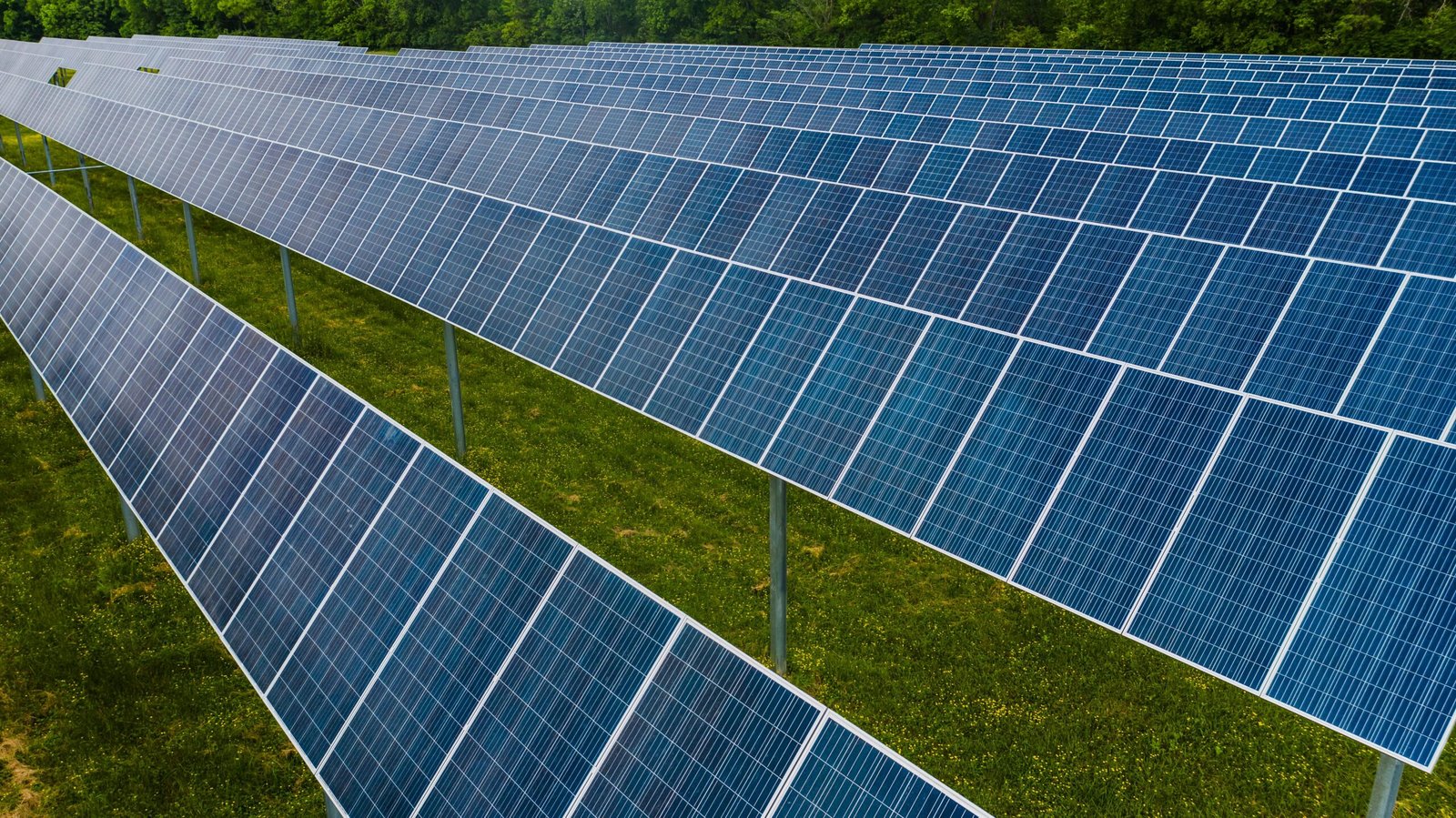
For students preparing for the TEAS exam, reading comprehension passages often combine scientific concepts with practical application, testing the ability to extract relevant information and analyze content quickly. A common passage topic includes solar panels, reflecting real-world technology and energy concepts while assessing reading skills.
Understanding solar panels TEAS passages requires familiarity with both reading strategies and the scientific principles behind solar energy. This article provides a detailed guide to breaking down passages about solar panels, strategies to answer questions effectively, comprehension tips, and practice methods to maximize TEAS exam scores. By the end of this article, students will have a clear roadmap for tackling solar panel passages confidently.
What Is a Solar Panels TEAS Passage?
A solar panels TEAS passage is a short reading section included in the TEAS exam that typically describes aspects of solar energy, panel functionality, environmental benefits, or technological innovations. These passages test a student’s ability to:
-
Understand main ideas and supporting details
-
Identify vocabulary meaning in context
-
Interpret data or diagrams related to solar panels
-
Make inferences based on the passage
Unlike general reading passages, solar panel passages incorporate scientific content, requiring readers to apply logical reasoning alongside comprehension skills. These passages are designed to simulate real-world scenarios where understanding technical material quickly is essential.
Key Concepts Often Covered in Solar Panels Passages
Understanding the science behind solar panels can help students answer TEAS questions accurately. Key concepts often include:
1. How Solar Panels Work
Solar panels, also called photovoltaic (PV) cells, convert sunlight into electricity. Passages may describe the photoelectric effect, energy conversion efficiency, or the components of a solar panel system. Understanding these terms helps students identify main ideas and interpret technical explanations.
2. Types of Solar Panels
-
Monocrystalline panels: High efficiency, long lifespan
-
Polycrystalline panels: Lower cost, slightly less efficient
-
Thin-film panels: Flexible, lightweight, lower efficiency
Recognizing differences allows students to comprehend comparison questions and extract details accurately.
3. Advantages and Disadvantages
Passages may highlight benefits such as renewable energy, reduced electricity bills, and environmental sustainability. Challenges could include high installation costs, dependence on sunlight, and space requirements. Questions may test comprehension of pros and cons.
4. Real-World Applications
Solar panels are used in residential homes, commercial buildings, and remote energy systems. Passages may mention case studies or statistics, requiring students to interpret factual information and draw conclusions.
Strategies for Reading Solar Panels Passages on the TEAS Exam
1. Skim for Main Ideas
Start by skimming the passage to understand the general topic and structure. Identify key headings, the introduction, and concluding sentences, which often contain the author’s main point.
2. Highlight Keywords
Look for scientific terms, comparisons, and numerical data. Words like efficiency, photovoltaic, cost, renewable, and environment are likely to be important for answering questions correctly.
3. Read Questions First
Review the TEAS questions before reading the passage in detail. This strategy allows you to focus on relevant sections and saves time during the exam.
4. Take Notes
Summarize each paragraph mentally or with brief annotations. Note cause-effect relationships, benefits, drawbacks, and any statistics provided.
5. Infer Meaning from Context
Scientific passages often include technical vocabulary. Use context clues from surrounding sentences to understand unknown words without losing pace.
6. Watch for Answer Traps
TEAS questions may include options that are partially correct or misinterpret details. Always return to the passage to verify answers rather than relying on prior knowledge alone.
Common Question Types in Solar Panels TEAS Passages
-
Main Idea Questions: Identify the overall purpose of the passage.
-
Detail Questions: Focus on specific facts, such as types of solar panels or efficiency percentages.
-
Vocabulary in Context: Determine the meaning of words like photovoltaic or efficiency.
-
Inference Questions: Draw conclusions about solar panels’ impact or advantages not explicitly stated.
-
Sequence Questions: Understand steps in solar panel energy conversion or installation processes.
Practicing with these question types strengthens comprehension and increases confidence during the TEAS exam.
Practice Tips for Mastering Solar Panels Passages
-
Use Practice Tests: Simulate real TEAS conditions using timed passages.
-
Review Scientific Concepts: Brush up on renewable energy principles and solar technology.
-
Analyze Mistakes: Carefully review incorrect answers to identify patterns and knowledge gaps.
-
Expand Vocabulary: Focus on scientific and technical terms commonly used in energy-related passages.
Consistent practice improves reading speed, comprehension, and accuracy for solar panels passages specifically.
Conclusion
A solar panels TEAS passage combines scientific understanding with critical reading skills, testing your ability to analyze technical content efficiently. By understanding the structure, key scientific concepts, and typical question types, students can approach these passages with confidence. Strategies such as skimming for main ideas, highlighting keywords, interpreting context, and practicing regularly are crucial for success. With dedicated preparation, solar panel passages can become an opportunity to showcase both scientific knowledge and reading proficiency, ultimately boosting TEAS exam performance.
Frequently Asked Questions (FAQ)
What is a Solar Panels TEAS Passage?
It is a reading comprehension section in the TEAS exam that discusses solar energy, panel functionality, and related scientific concepts.
Why are Solar Panels passages included in the TEAS?
They test both reading comprehension and the ability to understand scientific and technical material in a real-world context.
How should I approach questions in a Solar Panels passage?
Skim the passage first, highlight keywords, read questions before deep reading, take notes, and infer meanings from context.
Do I need prior knowledge of solar panels?
Basic knowledge helps, but answers should always be based on the passage, not prior knowledge alone.
How can I practice for Solar Panels TEAS passages?
Use practice TEAS exams, study renewable energy topics, review scientific vocabulary, and analyze errors to improve accuracy.