
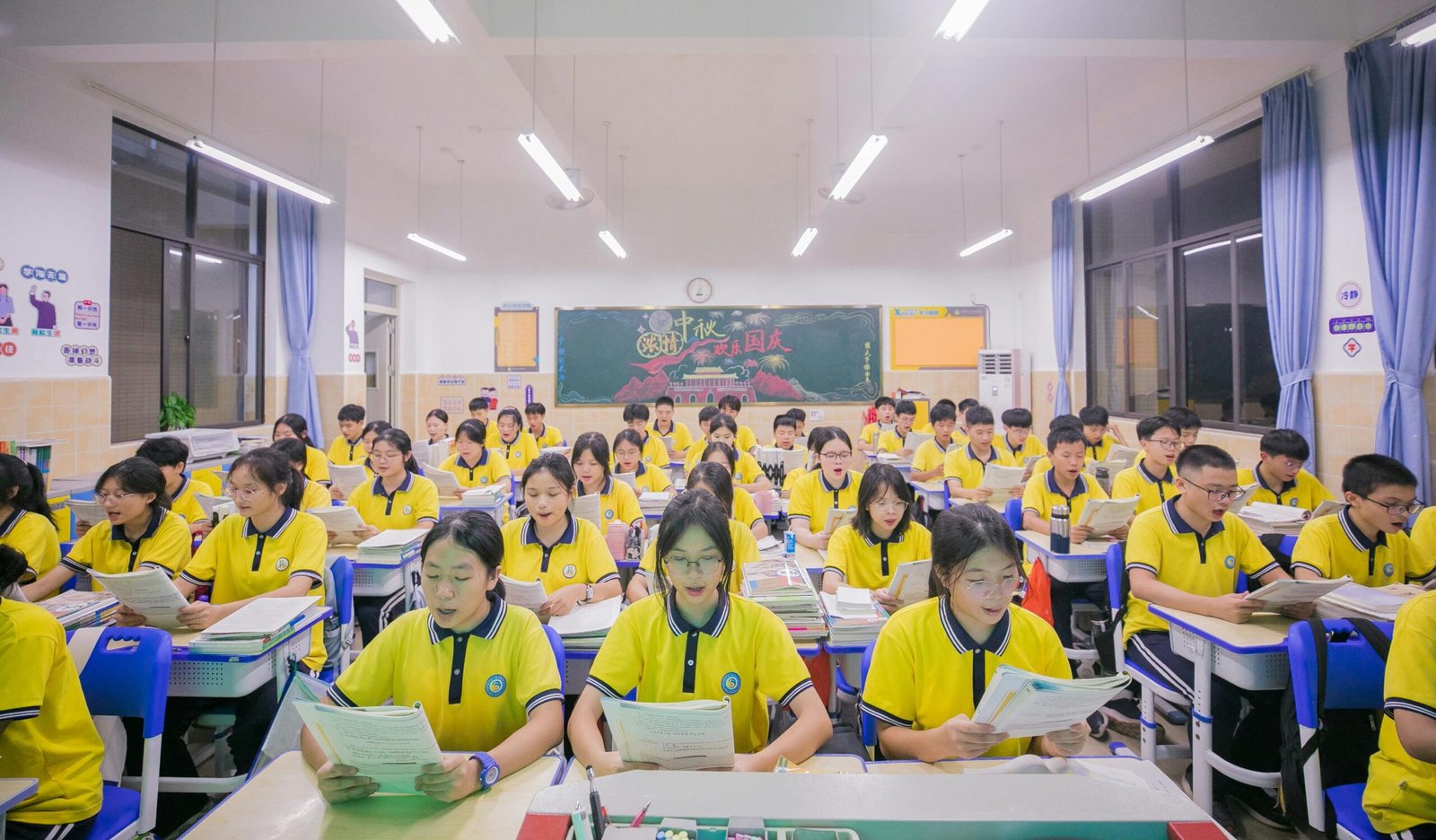
The decision by an Ohio school board to suspend operations at a high school has sparked widespread attention, raising questions about student safety, administrative accountability, and the future of education within the district. Such actions are rarely taken lightly, as they directly affect students, parents, teachers, and the broader community. In this detailed analysis, we explore the circumstances leading to the suspension, the reasoning behind the board’s decision, and the potential long-term implications for education in Ohio.
Understanding the Decision to Suspend a High School
When a school board moves to suspend a high school, it typically reflects serious concerns that require immediate intervention. These concerns may include safety risks, administrative failures, financial irregularities, or policy violations. The decision-making process often involves internal investigations, consultations with educational authorities, and legal considerations.
We recognize that such a suspension is not merely administrative; it represents a critical turning point aimed at addressing systemic issues. The board’s responsibility is to ensure that students receive education in a safe, structured, and effective environment, and any disruption signals a need for urgent corrective action.
Key Reasons Behind the Suspension
The suspension of a high school by an Ohio school board can stem from multiple factors, each carrying significant weight. Among the most common reasons are:
1. Safety Concerns
Student and staff safety remains the highest priority. Incidents involving violence, threats, or unsafe infrastructure can lead to immediate suspension to prevent further risk.
2. Administrative Mismanagement
Failures in leadership, including poor decision-making, lack of oversight, or policy violations, may prompt intervention by the school board.
3. Financial Issues
Budget mismanagement or misuse of funds can disrupt operations, forcing authorities to temporarily halt activities while resolving financial discrepancies.
4. Academic Performance Challenges
Consistently low academic performance or failure to meet state education standards may also contribute to such decisions.
5. Legal and Compliance Issues
Non-compliance with educational laws or regulations can necessitate suspension until the institution meets required standards.
Timeline of Events Leading to the Suspension
Understanding the sequence of events provides clarity on how the situation escalated. Typically, the process begins with early warning signs, such as complaints, declining performance, or isolated incidents. These are followed by formal investigations, during which authorities gather evidence and assess the severity of the issues.
As findings emerge, the school board may implement interim measures, including administrative changes or policy adjustments. If these measures prove insufficient, the board may ultimately decide to suspend the school’s operations to prevent further complications and allow for comprehensive restructuring.
Impact on Students and Families
The suspension of a high school significantly affects students and their families, creating uncertainty and disruption in academic progress. Students may need to transfer to other schools, adapt to new environments, or adjust to alternative learning methods.
Parents, meanwhile, face challenges in ensuring continuity in their children’s education, often requiring coordination with school authorities and community resources. Emotional and psychological impacts are also notable, as students cope with sudden changes and uncertainty about their future.
Effects on Teachers and Staff
Teachers and school staff are equally impacted by such decisions. The suspension can lead to temporary job uncertainty, reassignment, or involvement in restructuring efforts. Educators must adapt quickly to new roles or environments while maintaining their commitment to student learning and development.
This situation underscores the importance of strong leadership and clear communication, ensuring that staff members remain informed and supported throughout the transition.
Community Reaction and Public Response
The local community often reacts strongly to the suspension of a high school. Public opinion may be divided, with some supporting the board’s decision as a necessary step toward improvement, while others express concern over the immediate consequences for students and families.
Community meetings, public statements, and media coverage play a crucial role in shaping perceptions. Transparent communication from the school board is essential to build trust and ensure that stakeholders understand the rationale behind the decision.
Steps Toward Resolution and Recovery
Following a suspension, the focus shifts to resolving underlying issues and restoring normal operations. This process may involve:
- Comprehensive audits and investigations
- Implementation of new policies and leadership structures
- Infrastructure improvements
- Enhanced safety measures
- Academic program restructuring
The goal is to create a stronger, more resilient educational environment that meets the needs of students and aligns with regulatory standards.
Future Outlook for the High School
The future of a suspended high school depends on the effectiveness of corrective measures and the commitment of stakeholders. With proper planning and execution, the institution can reopen with improved systems, stronger leadership, and renewed confidence from the community.
We observe that such situations, while challenging, often serve as opportunities for transformation, leading to better outcomes in the long term.
Conclusion
The decision by an Ohio school board to suspend a high school reflects a serious commitment to addressing critical issues within the education system. While the immediate impact is disruptive, it underscores the importance of accountability, safety, and quality education. By focusing on resolution and improvement, the community can move toward a future where students benefit from a more stable and effective learning environment.
Frequently Asked Questions (FAQ)
1. Why would a school board suspend a high school?
A school board may suspend a high school due to safety concerns, administrative issues, financial problems, or legal non-compliance.
2. What happens to students after a suspension?
Students are typically transferred to other schools or provided alternative learning arrangements to continue their education.
3. How long does a school suspension last?
The duration varies depending on the severity of issues and the time required to resolve them.
4. Can a suspended high school reopen?
Yes, schools can reopen once necessary improvements and compliance measures are implemented.
5. How does the community respond to such decisions?
Community reactions vary, with some supporting the decision for improvement and others concerned about its immediate impact on students and families.