
The debate of crocodile vs alligator has fascinated wildlife enthusiasts, researchers, and curious minds for decades. While both reptiles belong to the same order and share similar appearances, they are distinct in physical features, habitat, behavior, and temperament. Understanding these differences is essential not only for educational purposes but also for appreciating the diversity of the natural world. The crocodile and the alligator are apex predators that have evolved over millions of years, yet each possesses unique traits that set them apart in remarkable ways.
Taxonomy and Evolutionary Background
Both crocodiles and alligators belong to the order Crocodylia, but they are classified into different families. Crocodiles are part of the family Crocodylidae, while alligators belong to Alligatoridae. This classification reflects evolutionary divergence, which has led to differences in anatomy and behavior over time.
These reptiles are often referred to as living fossils, as their ancestors date back to the age of dinosaurs. Despite sharing a common lineage, their evolutionary paths have resulted in distinct adaptations suited to their respective environments.
Physical Differences: How to Tell Them Apart
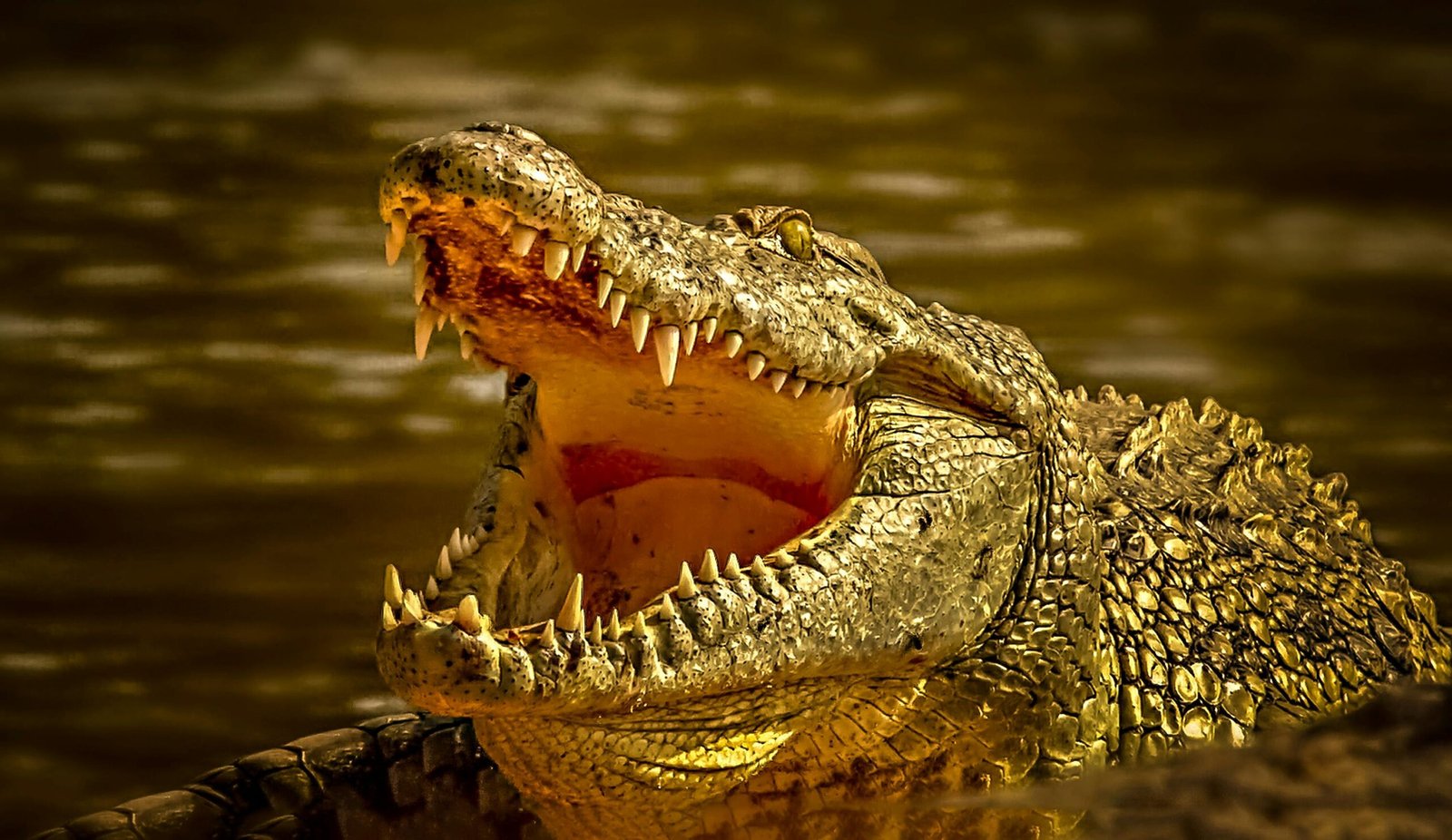
One of the most noticeable differences between crocodiles and alligators lies in their snout shape and jaw structure. Crocodiles typically have a long, narrow, V-shaped snout, while alligators feature a broader, U-shaped snout. This difference is not merely cosmetic; it reflects variations in diet and hunting strategies.
Another key distinction is visible when their mouths are closed. Crocodiles display both upper and lower teeth, giving them a more menacing appearance. In contrast, alligators usually show only their upper teeth, as the lower teeth fit into sockets in the upper jaw.
Coloration also varies, with crocodiles tending to have a lighter, olive or tan hue, while alligators are generally darker, often black or dark gray. These physical traits make it easier to identify each species in the wild.
Habitat and Geographic Distribution
The habitats of crocodiles and alligators differ significantly, influencing their distribution across the globe. Crocodiles are more versatile and can thrive in both freshwater and saltwater environments, thanks to specialized salt glands. This allows them to inhabit regions in Africa, Asia, Australia, and the Americas.
Alligators, on the other hand, prefer freshwater habitats such as rivers, lakes, and swamps. They are primarily found in the southeastern United States and parts of China. The American alligator is the most well-known species, commonly seen in wetlands and marshes.
Behavior and Temperament
When comparing behavior and temperament, crocodiles are generally considered more aggressive and territorial than alligators. They are more likely to perceive humans as threats or prey, making them potentially more dangerous in the wild.
Alligators tend to be more docile and less confrontational, often retreating when approached by humans. However, this does not mean they are harmless; both animals are powerful predators capable of defending themselves when provoked.
Diet and Hunting Techniques
Both crocodiles and alligators are carnivorous, feeding on a variety of prey including fish, birds, and mammals. Their hunting strategies rely heavily on stealth, patience, and explosive power.
Crocodiles often hunt in brackish or saltwater environments, preying on larger animals when opportunities arise. Alligators, with their broader snouts, are better suited for crushing prey such as turtles. Despite these differences, both species are opportunistic feeders, adapting their diet based on availability.
Size and Strength Comparison
Crocodiles are generally larger and more powerful than alligators. Some species, such as the saltwater crocodile, can reach lengths exceeding 20 feet, making them the largest living reptiles. Alligators are typically smaller, though still formidable, with adult males averaging around 10 to 15 feet.
In terms of bite force, both animals rank among the strongest in the animal kingdom, but crocodiles often have a slight edge due to their larger size and more aggressive nature.
Which Is More Dangerous?
The question of which animal is more dangerous often arises in the crocodile vs alligator debate. Statistically, crocodiles are responsible for more attacks on humans, largely due to their aggressive behavior and wider geographic distribution. Species like the Nile and saltwater crocodiles are particularly known for their interactions with humans.
Alligator attacks are relatively rare and usually occur when the animals feel threatened or when humans encroach on their territory. Understanding these differences is crucial for wildlife safety and awareness.
Human Interaction and Conservation
Both crocodiles and alligators have faced threats from habitat loss and hunting. Conservation efforts have helped stabilize populations, particularly for the American alligator, which has made a remarkable recovery from near extinction.
Today, these reptiles play an important role in their ecosystems, helping maintain balance in aquatic environments. Protecting their habitats ensures the survival of not only these species but also the countless organisms that depend on the same ecosystems.
Key Differences at a Glance
-
Snout Shape: Crocodile (V-shaped) vs Alligator (U-shaped)
-
Habitat: Crocodile (saltwater & freshwater) vs Alligator (freshwater)
-
Temperament: Crocodile (more aggressive) vs Alligator (more docile)
-
Size: Crocodile (generally larger) vs Alligator (slightly smaller)
-
Teeth Visibility: Crocodile (visible upper & lower) vs Alligator (mostly upper only)
Conclusion: Understanding Nature’s Powerful Reptiles
The comparison of crocodile vs alligator reveals two extraordinary reptiles that, while similar at first glance, differ in significant and fascinating ways. From their physical characteristics to their behavior and habitats, each species represents a unique adaptation to the natural world. By understanding these differences, we gain a deeper appreciation for their role as apex predators and the importance of conserving their environments. Whether encountered in the wild or studied from afar, both crocodiles and alligators remain symbols of strength, survival, and evolutionary success.
Frequently Asked Questions (FAQ)
What is the main difference between a crocodile and an alligator?
The main difference lies in their snout shape, habitat, and behavior, with crocodiles being more aggressive and adaptable to saltwater.
Which is more dangerous, a crocodile or an alligator?
Crocodiles are generally considered more dangerous due to their aggressive nature and higher number of recorded attacks.
Can crocodiles and alligators live together?
They rarely coexist naturally due to differences in habitat preferences and geographic distribution.
How can you tell them apart quickly?
Look at the snout shape and teeth visibility—crocodiles have narrow snouts and visible teeth, while alligators have broader snouts and less visible lower teeth.
Where are alligators commonly found?
Alligators are mainly found in the southeastern United States and parts of China, living in freshwater environments.