
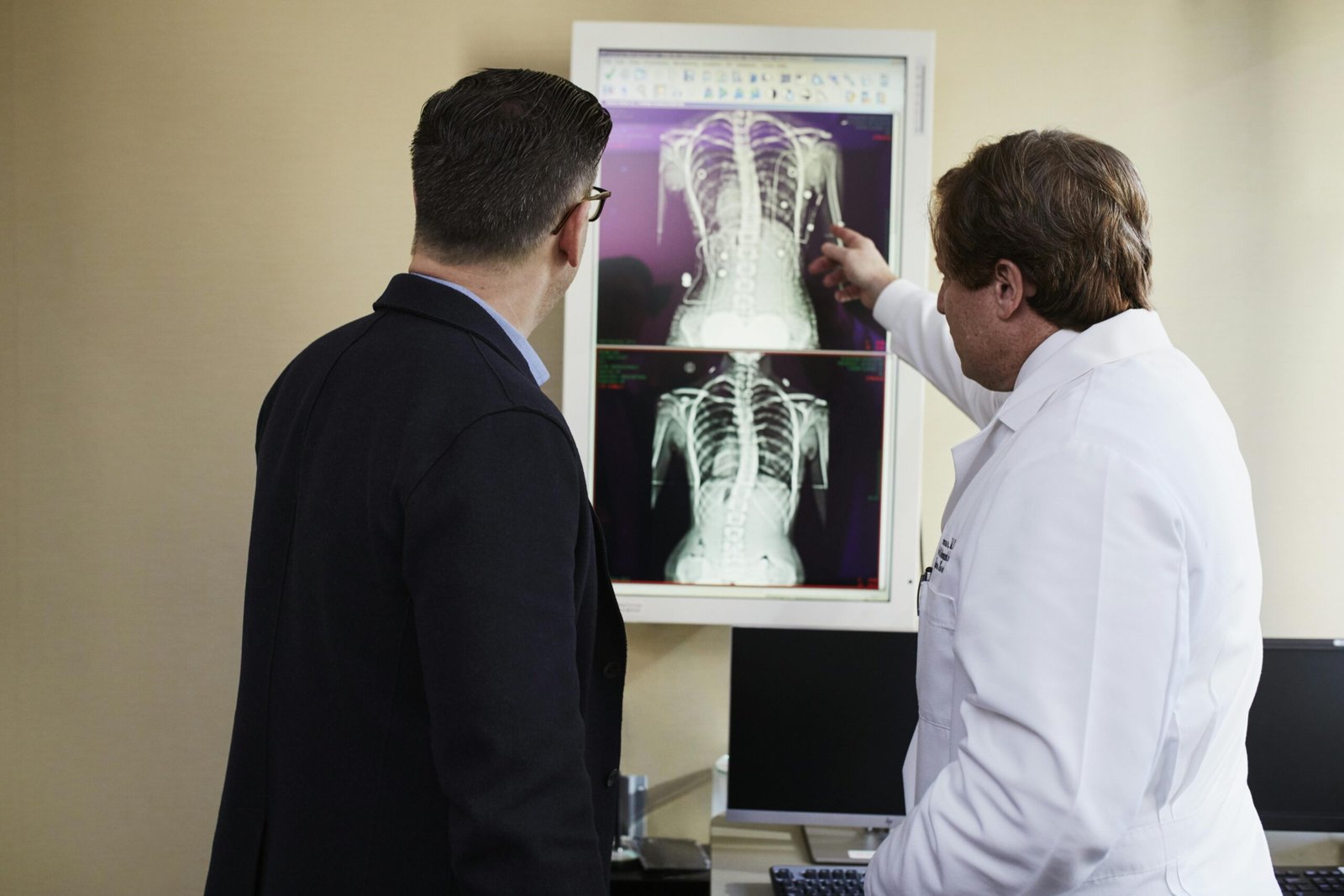
The position of Chief Technical Examiner is a senior-level role that combines technical expertise, leadership, regulatory oversight, and quality assurance responsibilities. Across industries such as engineering, automotive safety, education boards, aviation, government agencies, and manufacturing, a Chief Technical Examiner plays a crucial part in maintaining standards, supervising examinations or inspections, and ensuring compliance with established regulations. As industries become increasingly complex and technology-driven, the demand for qualified technical professionals who can oversee evaluation systems and maintain high standards continues to grow. In this comprehensive guide, we will explore the meaning of Chief Technical Examiner, job description, required qualifications, salary expectations, industries that hire for this role, career growth opportunities, and future outlook. This long-form SEO article is structured to help rank on Google for keywords such as “Chief Technical Examiner job description,” “Chief Technical Examiner salary,” and “Chief Technical Examiner qualifications.”
Chief Technical Examiner: Complete Career and Role Guide
What Is a Chief Technical Examiner?
A Chief Technical Examiner is a senior professional responsible for overseeing technical evaluations, inspections, testing procedures, and compliance processes within an organization or regulatory body. The exact responsibilities vary depending on the industry, but the core function remains consistent: ensuring that technical standards are met and maintained. In government departments, the role may involve supervising licensing examinations or regulatory audits. In educational institutions, a Chief Technical Examiner may oversee technical certification assessments. In engineering or manufacturing sectors, the position often includes reviewing inspection reports and approving quality assurance processes.
This leadership position requires a strong combination of technical knowledge and administrative capability. A Chief Technical Examiner must not only understand complex systems and procedures but also manage teams of examiners or inspectors while upholding strict compliance guidelines.
Key Responsibilities and Duties
The responsibilities of a Chief Technical Examiner are broad and highly impactful. One primary duty involves supervising technical examinations or assessments to ensure fairness, accuracy, and adherence to regulatory frameworks. This may include developing examination procedures, validating testing materials, and monitoring evaluation standards.
Another critical responsibility is quality assurance. The Chief Technical Examiner reviews inspection reports, analyzes technical findings, and ensures that results are reliable and consistent. In industries such as automotive safety or aviation, this oversight directly impacts public safety. Additionally, the role often involves preparing official documentation, submitting compliance reports, and communicating findings to senior management or government authorities.
Leadership is also a key component of the position. The Chief Technical Examiner typically manages a team of technical examiners or inspectors, providing guidance, training, and performance evaluations. Effective communication skills are essential, as the role requires collaboration with engineers, auditors, administrators, and external stakeholders.
Qualifications Required to Become a Chief Technical Examiner
The qualifications for a Chief Technical Examiner depend on the industry but generally include a strong educational background in a technical field. Most positions require at least a bachelor’s degree in engineering, technology, applied sciences, or a related discipline. In some sectors, a master’s degree or professional certification may be preferred.
Extensive work experience is typically mandatory, as this is a senior-level role. Candidates often need several years of experience as a technical examiner, inspector, engineer, or quality assurance specialist before advancing to chief-level responsibilities. Professional certifications in quality management, safety standards, or regulatory compliance can significantly enhance career prospects.
Strong analytical skills, attention to detail, and leadership abilities are equally important. Because the role involves high-stakes decision-making, integrity and ethical judgment are crucial qualities.
Industries That Employ Chief Technical Examiners
Chief Technical Examiners are employed across a wide range of industries. In the automotive sector, they may oversee vehicle inspection programs and compliance with safety standards. In aviation, they can supervise aircraft maintenance assessments and regulatory inspections. Government agencies often appoint Chief Technical Examiners to manage licensing examinations or technical audits.
Educational boards and certification authorities also hire professionals in this role to ensure technical assessments meet academic and industry standards. In manufacturing, the position supports quality control processes and regulatory compliance. Each industry adapts the responsibilities to its specific operational and regulatory needs.
Salary Expectations and Career Outlook
Salary levels for a Chief Technical Examiner vary depending on industry, geographic location, and level of experience. Because it is a senior leadership role, compensation is typically competitive and reflects the level of responsibility involved. Government positions may follow structured pay scales, while private-sector roles often offer performance-based incentives.
The career outlook for Chief Technical Examiners remains strong due to increasing regulatory requirements and technological advancements. As industries adopt more complex systems, the need for experienced professionals to evaluate and verify technical standards continues to grow. Automation and digital reporting tools may enhance efficiency, but human oversight remains essential for maintaining credibility and accountability.
Skills Needed for Success
To excel as a Chief Technical Examiner, a professional must possess a combination of technical expertise and managerial competence. Analytical thinking is crucial for interpreting test results and identifying discrepancies. Organizational skills help manage examination schedules, documentation, and compliance audits. Leadership capabilities ensure that teams function effectively and maintain high performance standards.
Additionally, familiarity with regulatory frameworks and industry standards is critical. Continuous professional development helps keep knowledge up to date with evolving technologies and legal requirements. Communication skills are also essential, as the role often involves presenting findings to stakeholders or government bodies.
Career Advancement Opportunities
Serving as a Chief Technical Examiner can open pathways to even higher executive-level positions. Experienced professionals may advance to roles such as Director of Technical Services, Head of Quality Assurance, Regulatory Compliance Manager, or Chief Operations Officer, depending on the industry. The experience gained in overseeing examinations and maintaining compliance provides valuable strategic insight into organizational operations.
Professional networking and participation in industry associations can further enhance career prospects. Attending seminars, obtaining advanced certifications, and staying informed about regulatory updates contribute to long-term success.
Conclusion
The role of Chief Technical Examiner is a vital leadership position that ensures technical standards, regulatory compliance, and quality assurance across multiple industries. Combining technical expertise with strong managerial skills, this role carries significant responsibility and influence. From supervising examinations to safeguarding public safety, the Chief Technical Examiner plays a central role in maintaining trust and credibility within organizations. As industries continue to evolve and regulations become more stringent, the demand for experienced technical leaders will remain steady. For professionals seeking a challenging and rewarding career path, becoming a Chief Technical Examiner offers long-term growth, competitive compensation, and meaningful impact.
Frequently Asked Questions (FAQ)
1. What does a Chief Technical Examiner do?
A Chief Technical Examiner supervises technical assessments, ensures compliance with standards, and manages teams of examiners or inspectors.
2. What qualifications are needed for this role?
Most positions require a technical degree, several years of relevant experience, and strong leadership skills.
3. Is Chief Technical Examiner a government job?
It can be found in both government agencies and private-sector organizations, depending on the industry.
4. What is the average salary of a Chief Technical Examiner?
Salary varies by industry and location but is generally competitive due to the senior-level responsibilities.
5. What career growth opportunities exist after this role?
Professionals may advance to executive positions such as Director of Technical Services or Head of Compliance.