
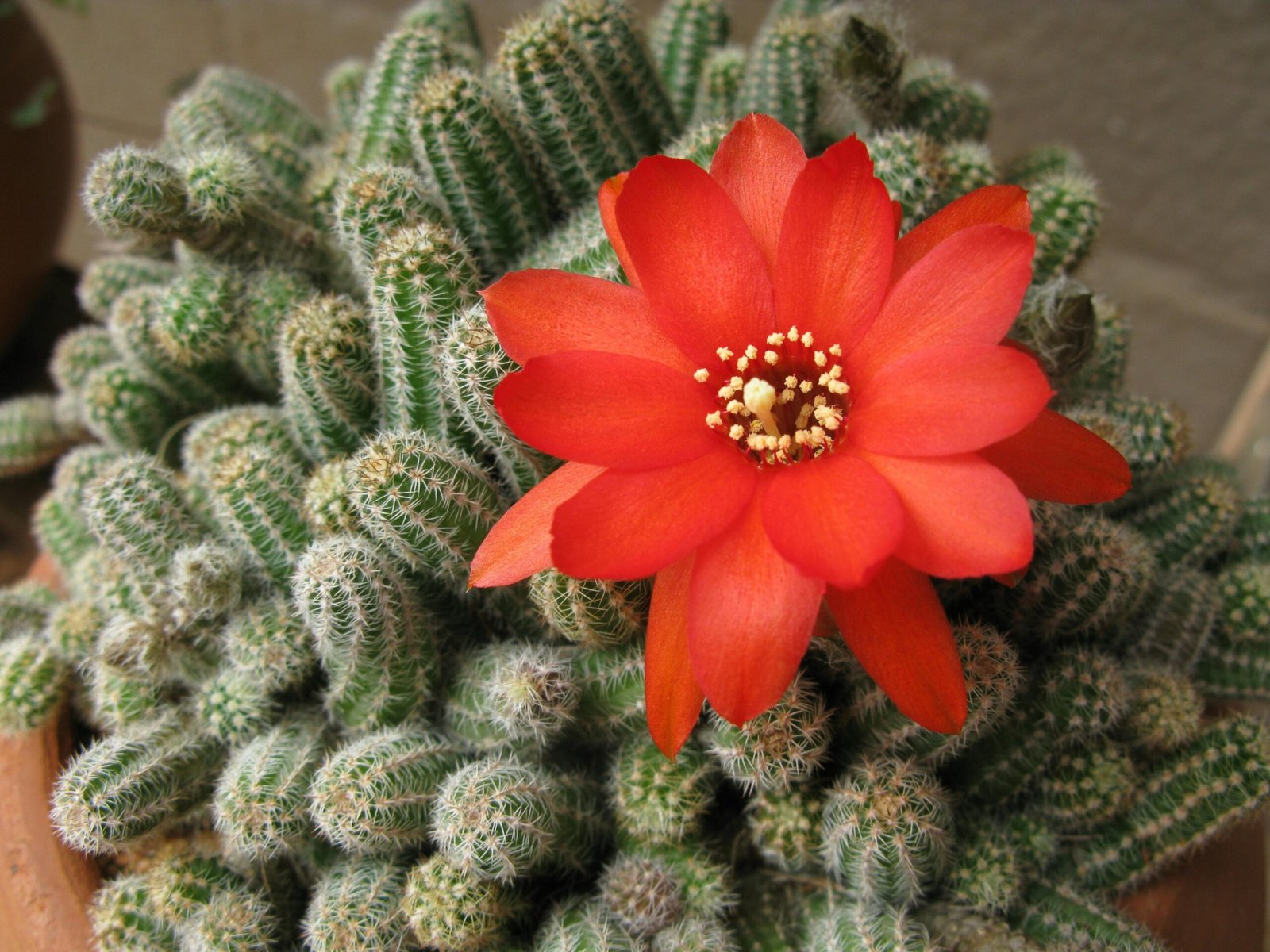
The Echinopsis pachanoi, commonly known as the San Pedro cactus, is one of the most recognized and widely cultivated columnar cacti in the world. Native to the Andes Mountains of South America, this fast-growing cactus is admired for its tall, ribbed structure, vibrant green color, and resilience in various climates. Whether grown for ornamental purposes, landscaping, or botanical interest, the San Pedro cactus has gained popularity among gardeners and plant enthusiasts alike. In this comprehensive guide, we explore everything you need to know about Echinopsis pachanoi, including its characteristics, growth habits, care requirements, propagation methods, and benefits.
What is Echinopsis Pachanoi (San Pedro Cactus)?
Echinopsis pachanoi is a fast-growing columnar cactus belonging to the cactus family. It is known for its upright growth, multiple ribs, and clusters of small spines. This species can grow several meters tall under optimal conditions, making it a striking addition to gardens and landscapes.
The cactus is particularly valued for its hardiness and adaptability, thriving in a wide range of environments with minimal care.
Key Characteristics and Identification
Physical Features
The San Pedro cactus is easily identifiable by its smooth green skin, vertical ribs, and occasional white or yellowish spines. Mature plants produce large, fragrant white flowers that bloom at night, adding to their visual appeal.
Growth Pattern
This cactus grows in a columnar shape, often forming clusters as it matures. Its rapid growth rate sets it apart from many other cactus species.
Habitat
Native to high-altitude regions, it thrives in well-drained soil and sunny conditions, making it suitable for both outdoor gardens and indoor pots.
How to Grow San Pedro Cactus
Growing Echinopsis pachanoi is relatively simple, making it ideal for beginners.
1. Sunlight Requirements
San Pedro cacti require bright, indirect sunlight or partial direct sun. Too much intense sunlight can cause sunburn, especially in young plants.
2. Soil Conditions
Use a well-draining cactus mix to prevent water retention and root rot. Sandy or rocky soil works best.
3. Watering Routine
Water the cactus sparingly, allowing the soil to dry completely between watering sessions. Overwatering is one of the most common mistakes.
4. Temperature and Climate
San Pedro thrives in warm climates but can tolerate cooler temperatures if kept dry.
Propagation Methods
One of the advantages of Echinopsis pachanoi is its ease of propagation.
Cuttings
Cut a section of the cactus and allow it to dry and callous before planting. This method is the most common and reliable.
Seeds
Growing from seeds is possible but requires patience and controlled conditions.
Benefits of San Pedro Cactus
1. Ornamental Value
Its tall, elegant structure makes it a popular decorative plant for gardens and indoor spaces.
2. Low Maintenance
San Pedro requires minimal care, making it ideal for busy individuals or beginners.
3. Environmental Benefits
Like other plants, it contributes to air quality and ecosystem balance.
Common Problems and Solutions
Overwatering
Excess water can lead to root rot. Ensure proper drainage and reduce watering frequency.
Pests
Occasionally affected by pests like mealybugs, which can be treated with appropriate solutions.
Sunburn
Too much direct sunlight can damage the cactus. Gradually acclimate it to brighter conditions.
San Pedro Cactus in Landscaping
The Echinopsis pachanoi is widely used in landscaping due to its height, structure, and visual appeal. It works well as a focal point or as part of a xeriscape garden, which emphasizes water-efficient plants.
Tips for Healthy Growth
- Use well-draining soil
- Avoid overwatering
- Provide adequate sunlight
- Monitor for pests and diseases
- Repot when necessary
Following these tips ensures a healthy and thriving cactus.
Future Popularity of San Pedro Cactus
As interest in low-maintenance and drought-resistant plants continues to grow, the San Pedro cactus is expected to become even more popular. Its adaptability and aesthetic appeal make it a valuable addition to modern gardening trends.
Conclusion
The Echinopsis pachanoi, or San Pedro cactus, stands out as a fast-growing, resilient, and visually striking plant that is suitable for a wide range of environments. With proper care, it can thrive for years, providing both aesthetic and environmental benefits. Whether you are a beginner or an experienced gardener, incorporating this cactus into your collection offers a rewarding and low-maintenance experience. Its unique characteristics and ease of growth make it one of the most appealing cacti available today.
Frequently Asked Questions (FAQ)
1. How fast does San Pedro cactus grow?
It can grow several feet per year under optimal conditions.
2. How often should I water it?
Water only when the soil is completely dry.
3. Can it grow indoors?
Yes, it can grow indoors with adequate sunlight.
4. What type of soil is best?
A well-draining cactus mix is ideal.
5. Is it easy to propagate?
Yes, propagation through cuttings is simple and effective.