
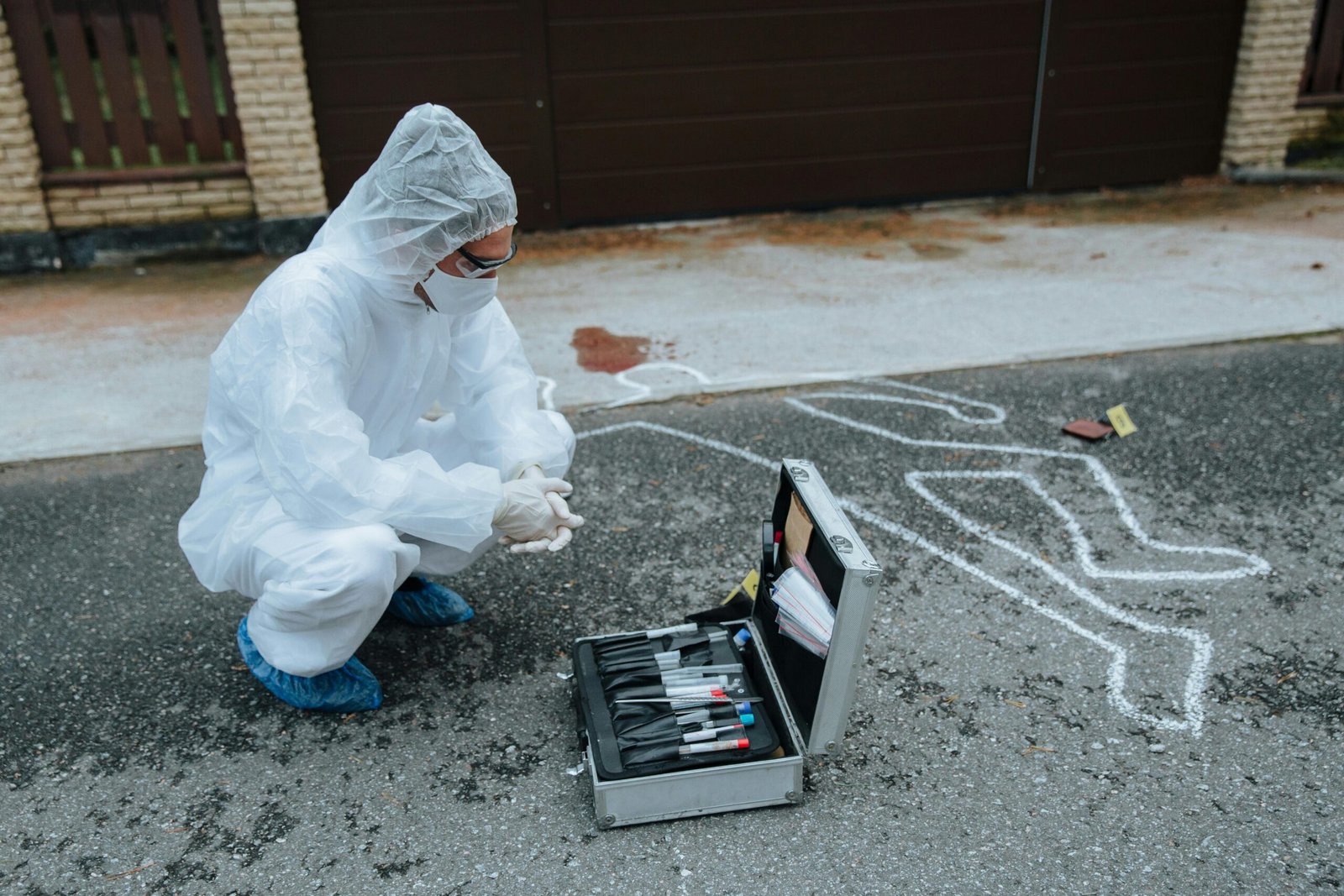
Incidents involving hazardous devices are taken extremely seriously by law enforcement agencies across the United States. When such a situation arises, multiple levels of authority—including local police departments, state agencies, and federal investigators—work together to ensure public safety and conduct a thorough investigation.
Recently, reports regarding a hazardous device investigation in Lexington drew national attention after the involvement of the Federal Bureau of Investigation (FBI). Situations like these often lead to coordinated responses from emergency services, bomb disposal units, and specialized investigative teams trained to handle potential threats.
The discovery of a suspicious or hazardous device in any community raises immediate concerns about safety, potential risks, and the motivations behind the incident. Authorities respond quickly by securing the area, assessing the level of danger, and ensuring that residents remain protected while experts evaluate the situation.
This article explores the Lexington Nebraska hazardous device FBI investigation, explaining what such cases typically involve, how authorities respond to potential threats, and the procedures followed to protect communities during these events.
Understanding Hazardous Device Investigations
A hazardous device investigation begins when authorities receive information about an object or device that may pose a potential danger to the public. These situations can involve suspicious packages, unknown mechanical devices, or materials that require specialized examination.
Law enforcement agencies treat these reports with extreme caution. When a possible hazardous device is discovered, trained specialists such as bomb technicians and explosive ordnance disposal teams are often called to the scene. Their role is to determine whether the device presents an actual threat and to neutralize it safely if necessary.
During these incidents, authorities usually establish a safety perimeter around the location. Residents and businesses nearby may be asked to evacuate temporarily while investigators assess the situation. This precautionary step ensures that any potential risk is minimized while professionals conduct their evaluation.
In cases where federal agencies become involved, the investigation may also include intelligence analysis and forensic examination to determine the origin and purpose of the device.
Role of the FBI in Hazardous Device Cases
The Federal Bureau of Investigation (FBI) often participates in hazardous device investigations when there is a possibility that the situation involves interstate activity, federal jurisdiction, or potential threats to national security.
The FBI has specialized units trained to investigate explosive devices and related incidents. These teams work alongside local law enforcement agencies, providing expertise in forensic analysis, evidence collection, and investigative strategy.
Federal investigators may analyze various elements connected to the case, including materials used in the device, digital evidence, surveillance footage, and potential suspects. Their goal is to determine whether the device was intended to cause harm, whether it is linked to other incidents, and who may be responsible.
Cooperation between federal and local authorities is essential during these investigations, as it allows resources and expertise to be combined for a more comprehensive response.
Emergency Response and Public Safety Measures
When authorities respond to a hazardous device report, protecting the public becomes the top priority. Emergency response teams follow strict protocols designed to minimize risk while the device is examined.
One of the first steps typically involves securing the surrounding area. Law enforcement officers may close nearby roads, redirect traffic, and establish controlled access points to prevent people from approaching the scene.
Bomb disposal specialists then use specialized equipment to evaluate the device. In some cases, remote-controlled robots or protective containment units are used to safely inspect suspicious objects without exposing personnel to unnecessary danger.
Medical teams and fire departments may also be placed on standby as a precaution. These coordinated efforts ensure that if any emergency occurs, responders can act immediately to protect lives and property.
Community Impact and Public Communication
Events involving hazardous devices often create anxiety within the affected community. Residents may feel concerned about their safety or uncertain about what is happening around them.
For this reason, law enforcement agencies typically provide regular updates through official statements, press briefings, or local news outlets. Clear communication helps ensure that residents receive accurate information rather than relying on rumors or speculation.
Authorities also encourage community cooperation during investigations. Witnesses who may have seen suspicious activity are often asked to share information that could assist investigators. Even small details can sometimes play a crucial role in understanding how an incident occurred.
Once the situation has been resolved, officials usually provide further information explaining what was discovered and confirming that the area is safe for normal activities to resume.
How Authorities Investigate Suspicious Devices
Investigating a hazardous device involves several steps designed to identify the nature of the object and determine whether it poses a genuine threat.
The first stage typically involves visual and technical assessment. Specialists examine the device using cameras, X-ray technology, or other tools to understand its structure.
If the device is determined to be dangerous, bomb technicians may carry out controlled procedures to disable or remove it safely. This process requires careful planning and precise execution to prevent accidental detonation.
Once the device has been neutralized, investigators begin a forensic analysis. Components, materials, and electronic parts may be examined to identify where they came from and how the device was assembled. This information can help authorities track down individuals responsible for creating or placing the device.
Importance of Public Awareness
While hazardous device incidents are relatively rare, public awareness plays an important role in preventing potential threats. Authorities often encourage citizens to report suspicious objects or unusual behavior to local law enforcement.
Being aware of one’s surroundings and communicating concerns promptly can help emergency services respond quickly. In many cases, early reporting allows specialists to address a situation before it escalates into a serious danger.
Community vigilance, combined with professional emergency response systems, helps maintain safety in cities and towns across the country.
Conclusion
The Lexington Nebraska hazardous device FBI investigation highlights how seriously authorities respond to potential threats involving suspicious devices. When such incidents occur, local police, emergency responders, and federal agencies work together to secure the area, protect residents, and conduct a detailed investigation.
Through careful procedures, advanced technology, and coordinated teamwork, law enforcement professionals aim to resolve these situations safely and efficiently. Their priority remains the protection of communities and the identification of any individuals responsible for creating potential risks.
While incidents like these can cause concern, they also demonstrate the preparedness of modern emergency response systems and the commitment of authorities to maintaining public safety.
Frequently Asked Questions (FAQ)
What is a hazardous device investigation?
A hazardous device investigation occurs when authorities examine a suspicious object that may pose a danger, such as a possible explosive or mechanical device.
Why would the FBI become involved in such cases?
The FBI may participate when an incident involves federal jurisdiction, potential threats to public safety, or requires specialized investigative expertise.
What happens when a suspicious device is found?
Authorities secure the area, deploy bomb technicians or specialists to evaluate the device, and take steps to safely neutralize it if necessary.
Are residents evacuated during these incidents?
In some situations, nearby residents or businesses may be temporarily evacuated to ensure their safety while investigators assess the device.
How can the public help in these situations?
Citizens can assist by reporting suspicious objects or unusual activity to local law enforcement and following official safety instructions during an investigation.