
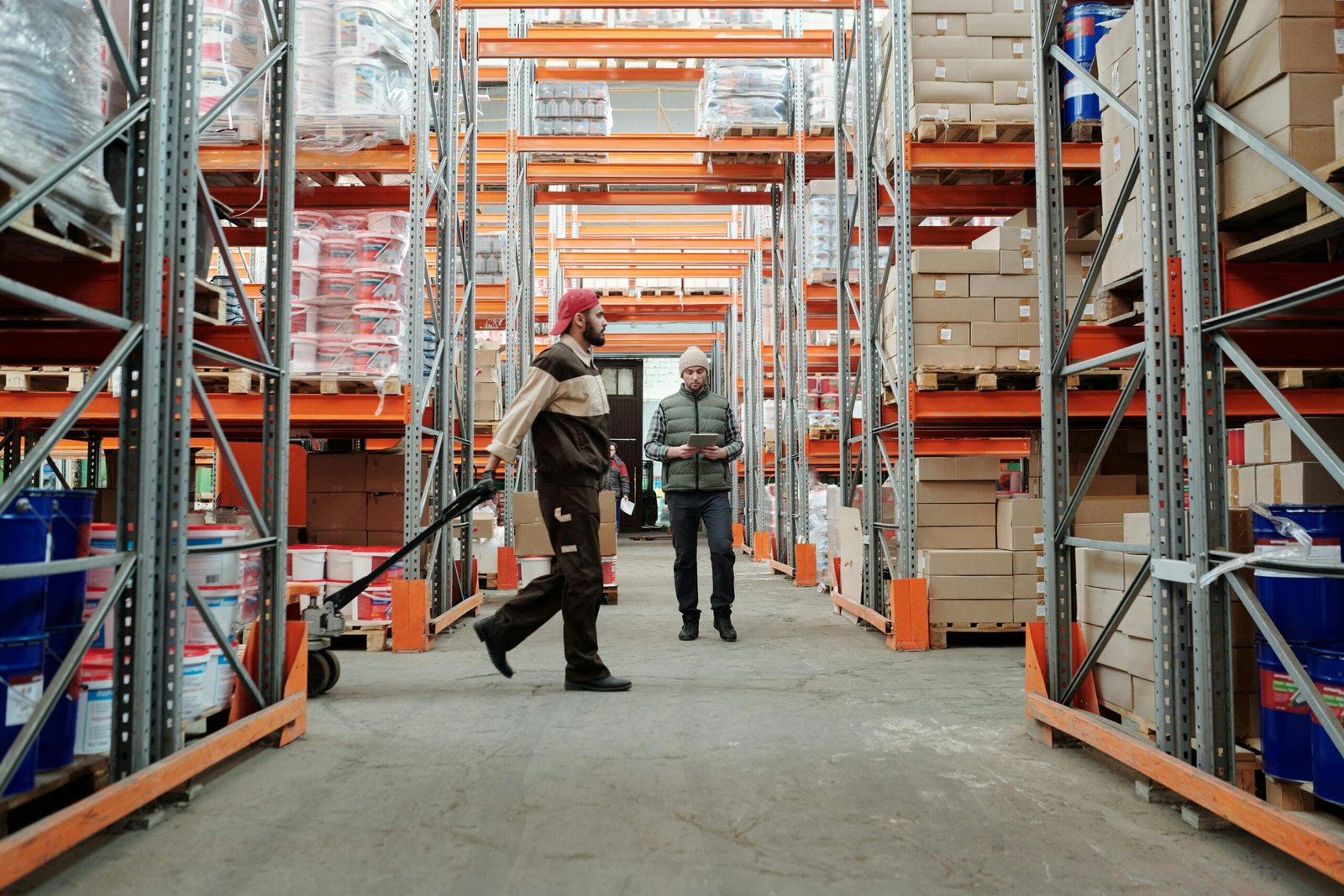
The announcement that a Costco rival launches megastore marks a significant turning point in the evolving landscape of warehouse retail. The warehouse club model has long been associated with scale, affordability, and membership-driven loyalty, but the emergence of a new large-format megastore signals intensified competition and a redefinition of consumer expectations. As bulk shopping continues to gain traction among value-conscious households and small businesses, this bold expansion reflects not only aggressive retail ambition but also a broader shift in how consumers shop, compare, and commit to brand ecosystems. The launch of a massive new warehouse destination demonstrates strategic investment in infrastructure, supply chain efficiency, and pricing leverage, all designed to compete directly with industry leaders while capturing untapped regional markets.
The Strategic Context Behind the Megastore Launch
When a Costco competitor unveils a megastore, it is rarely a simple store opening; it represents a calculated response to evolving consumer behavior and market saturation. The warehouse retail model thrives on scale economics, enabling retailers to negotiate lower supplier prices and pass savings directly to customers. By launching a megastore, the rival is doubling down on volume-based growth, larger product assortments, and an immersive in-store experience that extends beyond groceries into electronics, furniture, apparel, home improvement, and seasonal merchandise.
The retail expansion strategy often focuses on high-growth suburban corridors and densely populated metropolitan areas where demand for bulk shopping remains strong. By selecting a strategically positioned site, the competitor maximizes traffic flow, parking accessibility, and distribution efficiency. The scale of the megastore also allows for integrated services such as pharmacy counters, optical centers, fuel stations, and food courts, increasing customer dwell time and boosting average transaction value.
Warehouse Retail Market: A Competitive Battlefield
The warehouse retail market has evolved into one of the most resilient segments in brick-and-mortar retail. Even amid e-commerce growth, consumers continue to value in-person bulk purchasing for essentials and household staples. The entrance of a newly launched megastore intensifies competition on pricing, membership perks, and exclusive product offerings.
Warehouse retailers rely on limited SKU strategies combined with high inventory turnover. This streamlined approach reduces operational complexity while maintaining competitive pricing. When a Costco rival launches megastore operations at a large scale, it signals confidence in its supply chain logistics and supplier partnerships. The ability to maintain fully stocked shelves while offering aggressive discounts becomes a key differentiator in sustaining long-term customer loyalty.
Moreover, consumer expectations now extend beyond low prices. Shoppers seek curated private-label brands, premium imported goods, and organic selections. The megastore concept addresses these demands by expanding floor space to accommodate wider assortments and enhanced merchandising displays that create a premium yet value-driven shopping environment.
Bulk Shopping Trends Driving Megastore Expansion
The surge in bulk shopping reflects a combination of economic prudence and lifestyle convenience. Families and small businesses increasingly purchase in larger quantities to reduce per-unit costs and minimize frequent store visits. Inflationary pressures and supply chain uncertainties have further strengthened the appeal of warehouse clubs, where consistent pricing and dependable availability provide reassurance.
A newly launched megastore capitalizes on these trends by offering bulk-sized essentials alongside exclusive seasonal deals and limited-time promotions. Large-format layouts enable retailers to create treasure-hunt shopping experiences, where customers discover unexpected high-value items during routine visits. This strategy not only drives repeat traffic but also enhances brand differentiation in a crowded market.
Additionally, membership incentives such as cashback rewards, loyalty discounts, and early access to promotions reinforce long-term customer retention. The megastore becomes more than a shopping destination; it transforms into a value ecosystem where consumers feel financially empowered.
Operational Scale and Infrastructure Investment
Launching a flagship megastore requires substantial investment in real estate, logistics infrastructure, and workforce development. The sheer footprint of these facilities often exceeds traditional retail stores, incorporating expansive storage zones, advanced inventory tracking systems, and optimized checkout processes to manage high transaction volumes efficiently.
A Costco rival launching megastore operations typically integrates modern technology, including automated inventory management and digital price displays. These enhancements streamline restocking, reduce waste, and improve operational transparency. The infrastructure also supports omnichannel integration, enabling customers to order online and pick up in-store or schedule bulk deliveries directly from the warehouse.
Large-scale facilities also create economic ripple effects within local communities. Job creation, supplier partnerships, and regional distribution hubs contribute to local economic development while strengthening brand visibility.
Consumer Experience: Redefining the Megastore Model
The modern megastore is no longer defined solely by size; it is defined by experience. Spacious aisles, organized product zoning, and clear signage improve navigation and reduce friction during high-traffic hours. Food sampling stations, product demonstrations, and seasonal showcases enhance engagement and encourage exploratory shopping.
When a Costco rival launches megastore initiatives, attention to customer journey design becomes essential. From entrance to checkout, the layout must support efficiency without sacrificing discovery. Parking infrastructure, queue management systems, and digital membership verification tools contribute to a seamless shopping process.
The megastore concept also embraces sustainability considerations. Energy-efficient lighting, solar panels, and optimized waste management practices align with modern environmental expectations, reinforcing corporate responsibility while reducing long-term operating costs.
Competitive Implications for the Retail Industry
The expansion of a Costco competitor into megastore territory has far-reaching implications for the broader retail ecosystem. Traditional supermarkets may face intensified pricing pressure as warehouse clubs expand their grocery dominance. Specialty retailers could experience category encroachment if megastores broaden their assortments to include high-margin niche products.
The competitive landscape becomes a dynamic arena where innovation, pricing agility, and brand positioning determine success. Membership-based loyalty models remain a powerful differentiator, ensuring predictable revenue streams and strong customer retention. The megastore launch underscores confidence in long-term consumer demand for physical retail experiences anchored in value and scale.
Conclusion: A New Era of Warehouse Retail Expansion
The headline that a Costco rival launches megastore captures more than a store opening; it signals a strategic escalation in the battle for warehouse retail dominance. Through expansive infrastructure, aggressive pricing strategies, and enhanced customer experiences, the competitor positions itself as a formidable force in bulk shopping. As consumer demand for value, convenience, and scale continues to grow, the megastore model stands poised to redefine competitive benchmarks across the retail industry. The expansion reflects confidence in the resilience of physical retail while embracing innovation that meets evolving shopper expectations. In the high-stakes world of warehouse clubs, size, efficiency, and strategic execution determine the leaders of tomorrow.
Frequently Asked Questions (FAQ)
Why is the megastore launch significant in the warehouse retail market?
It represents strategic expansion, intensified competition, and growing consumer demand for bulk shopping solutions.
How does a megastore differ from a regular warehouse club?
A megastore typically offers larger floor space, broader product assortments, expanded services, and enhanced infrastructure for high customer volumes.
What benefits do consumers gain from bulk shopping?
Bulk shopping reduces per-unit costs, minimizes shopping frequency, and offers access to exclusive member-only discounts.
Will this impact traditional grocery stores?
Yes, increased warehouse competition can influence pricing strategies and product offerings across the broader retail landscape.
Is the megastore model sustainable long term?
With efficient logistics, strong membership retention, and evolving consumer demand, large-format warehouse retail remains a sustainable and scalable business model.