
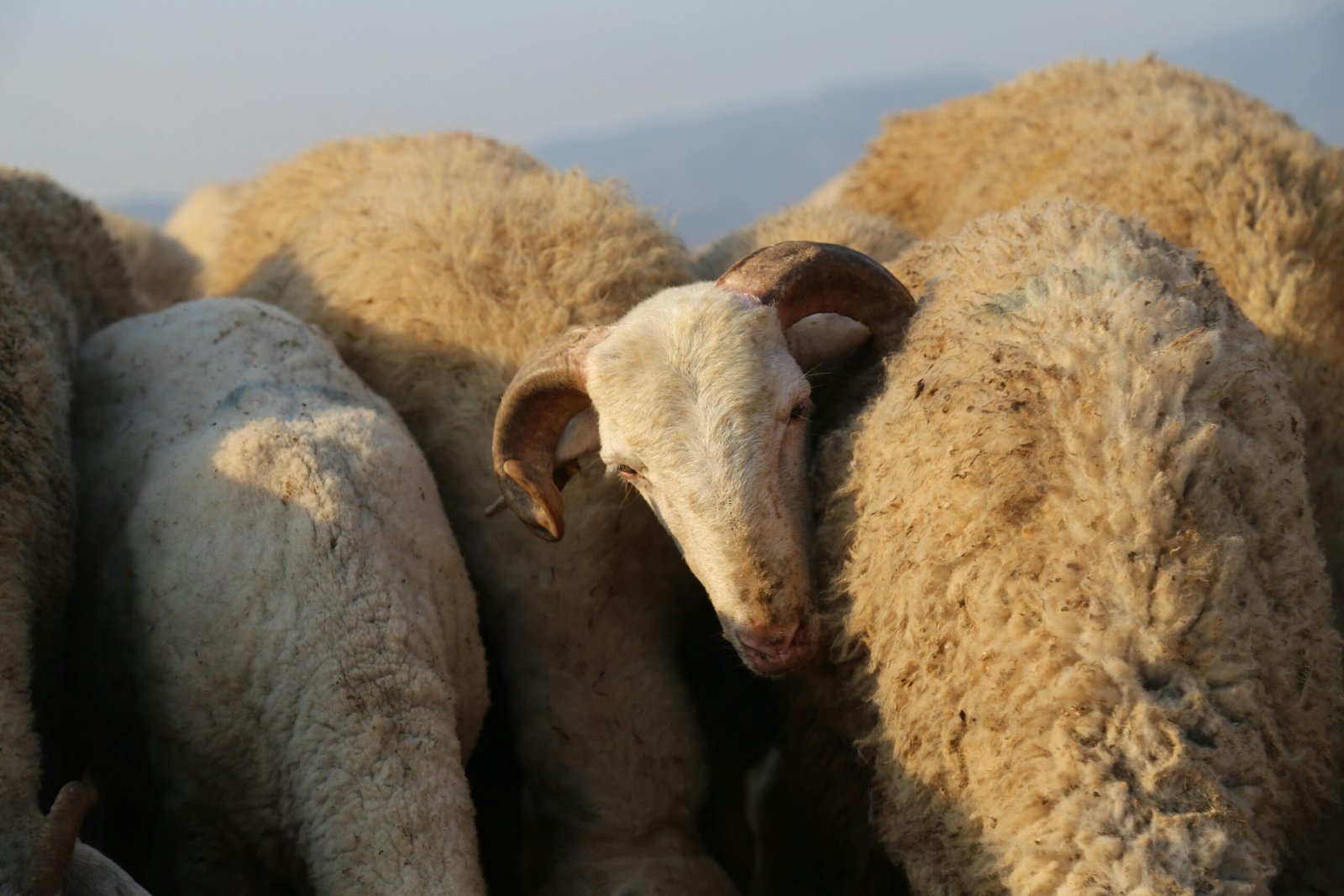
Horns on sheep are one of the most distinctive and fascinating physical features found in the ovine world. Whether curved in majestic spirals or extending outward in powerful arcs, sheep horns serve biological, behavioral, and evolutionary purposes that go far beyond simple appearance. Farmers, breeders, livestock enthusiasts, and researchers often ask important questions about why sheep have horns, which breeds grow them, how they develop, and how they should be managed safely. Understanding sheep horns is essential for proper animal husbandry, breeding decisions, and welfare considerations.
In this comprehensive guide, we explore the science behind sheep horn growth, the different types of sheep horns, horned versus polled breeds, genetic factors, practical farm management strategies, and the benefits and challenges associated with horned sheep. This detailed resource provides everything needed to fully understand the role and significance of horns in sheep populations worldwide.
Why Do Sheep Have Horns?
The presence of horns on sheep is deeply rooted in evolutionary biology. Horns serve multiple essential purposes, primarily related to defense, dominance, and mating competition. In the wild, ancestral sheep species relied on horns to defend themselves against predators and to establish hierarchy within flocks. Rams, in particular, use their horns during head-butting contests to compete for mating rights, demonstrating strength and dominance.
Horns are composed of a bony core covered by keratin, the same material found in human hair and nails. Unlike antlers, which are shed annually in deer species, sheep horns are permanent structures that continue to grow throughout the animal’s life. This continuous growth makes horn maintenance and monitoring important for domesticated sheep.
Types of Sheep Horns
There is significant variation in types of sheep horns, depending on breed and genetics.
Spiral Horns
Spiral horns are perhaps the most visually striking type, commonly seen in certain heritage and wild-influenced breeds. These horns curl outward and backward in large arcs, creating a dramatic appearance.
Curved Horns
Some sheep develop moderately curved horns that extend outward and then sweep backward. These are typically smaller than spiral horns but still functional for dominance displays.
Scurred Horns
Scurs are small, loosely attached horn growths that may occur in breeds typically considered polled. They are usually less structurally integrated than full horns.
Polled (Hornless) Sheep
Polled sheep naturally lack horns due to genetic traits. Selective breeding has increased the prevalence of polled varieties for easier management.
Understanding these variations helps farmers select breeds that align with their operational needs.
Horned Sheep Breeds Around the World
Several well-known breeds are recognized for their prominent horns:
-
Merino sheep (certain strains) may have impressive curled horns in rams.
-
Jacob sheep are known for multiple horns, sometimes having four or even six.
-
Dorset Horn sheep possess strong, curved horns.
-
Scottish Blackface sheep have sturdy horns adapted to rugged terrain.
Breed selection often determines whether horns will be present, as horn growth is largely genetic.
Sheep Horn Growth and Development
Sheep horn growth begins early in life and continues steadily over time. The growth rate can vary depending on nutrition, breed, and overall health. Horn rings, similar to tree rings, may form annually and can sometimes be used to estimate age.
Nutrition plays a critical role in horn development. Adequate protein, minerals such as calcium and phosphorus, and overall balanced diets support healthy horn formation. Poor nutrition may result in weaker horn structure or irregular growth patterns.
Horned vs Polled Sheep: Key Differences
Choosing between horned vs polled sheep depends largely on farm management goals.
Advantages of Horned Sheep
-
Natural defense capability.
-
Traditional breed preservation.
-
Stronger dominance structures within flocks.
Advantages of Polled Sheep
-
Reduced injury risk among flock members.
-
Easier handling in confined spaces.
-
Lower likelihood of horns becoming trapped in fencing.
Both options have practical benefits, and the decision often reflects management style and environmental conditions.
Managing Horned Sheep on the Farm
Proper management of horned sheep ensures safety and animal welfare.
Provide Adequate Space
Horned sheep require sufficient space to prevent injuries during dominance interactions.
Safe Fencing Design
Avoid narrow fencing gaps where horns could become stuck. Smooth fencing materials reduce risk.
Monitor Horn Growth
Regularly inspect horns for overgrowth, cracks, or injury. In rare cases, veterinary trimming may be necessary if horns grow abnormally close to the head.
Separate Aggressive Rams
During breeding season, rams may become highly competitive. Proper supervision minimizes injuries.
Effective management practices reduce potential challenges while preserving the natural characteristics of horned breeds.
The Role of Horns in Social Behavior
Horns significantly influence flock dynamics. Rams use horns to establish hierarchy through controlled head-butting contests. These behaviors determine breeding access and leadership roles within groups.
In ewes, horns may be smaller or absent depending on breed, but they can still play a role in establishing minor dominance relationships.
Understanding these behaviors allows farmers to anticipate seasonal aggression and manage interactions safely.
Cultural and Historical Significance of Sheep Horns
Throughout history, sheep horns have symbolized strength, fertility, and resilience in various cultures. Horns have been used in crafting tools, musical instruments, and decorative items. In many agricultural traditions, horned sheep represent heritage breeds and sustainable livestock practices.
Common Concerns About Horned Sheep
Do horns hurt sheep?
Horns do not inherently cause pain, as they are natural structures. However, injury or improper growth can cause discomfort.
Can horns grow into the head?
In rare cases, improper growth may cause curling toward the face, requiring veterinary attention.
Are horned sheep more aggressive?
Aggression is more related to sex and season than horns alone. Rams are naturally more competitive during breeding periods.
Environmental Adaptation and Horns
In mountainous and rugged terrains, horns may provide balance and aid in survival strategies. Wild sheep species use horns for combat and environmental adaptation, a trait that has influenced domestic breeds.
Conclusion
Horns on sheep are far more than ornamental features; they are biologically significant structures shaped by evolution, genetics, and breeding practices. From spiral horned heritage breeds to modern polled varieties, understanding horn growth, function, and management is essential for responsible livestock care. Whether for agricultural production, breeding programs, or heritage preservation, knowledge of sheep horns allows farmers and enthusiasts to make informed decisions that promote animal welfare and operational efficiency. By combining proper nutrition, safe housing, and thoughtful breed selection, horned sheep can thrive safely and productively in diverse farming environments.
Frequently Asked Questions (FAQ)
1. Why do some sheep have horns while others do not?
Horn presence depends on genetics and breed characteristics. Some breeds are naturally polled, while others are horned.
2. Do female sheep have horns?
In certain breeds, both males and females grow horns. In others, only rams develop prominent horns.
3. Can sheep horns break?
Yes, horns can crack or break due to injury. Regular monitoring helps prevent complications.
4. Are horned sheep harder to manage?
They may require additional space and careful fencing, but proper management reduces risks.
5. Do horns continue growing throughout a sheep’s life?
Yes, sheep horns grow continuously, making monitoring important to prevent overgrowth issues.